I owned a KEEN trail running shoe back in the late 2000s, so I was itching to test and review the new KEEN Roam. The Roam is KEEN's first running shoe in more than a decade (along with the Seek). It's made for a mix of road running and trail running, but I've spent the past three months hiking in it. After 75 miles of testing, I personally prefer it to KEEN's hiking shoes. My KEEN Roam review provides a hiker's perspective on KEEN's recent return to trail runners.
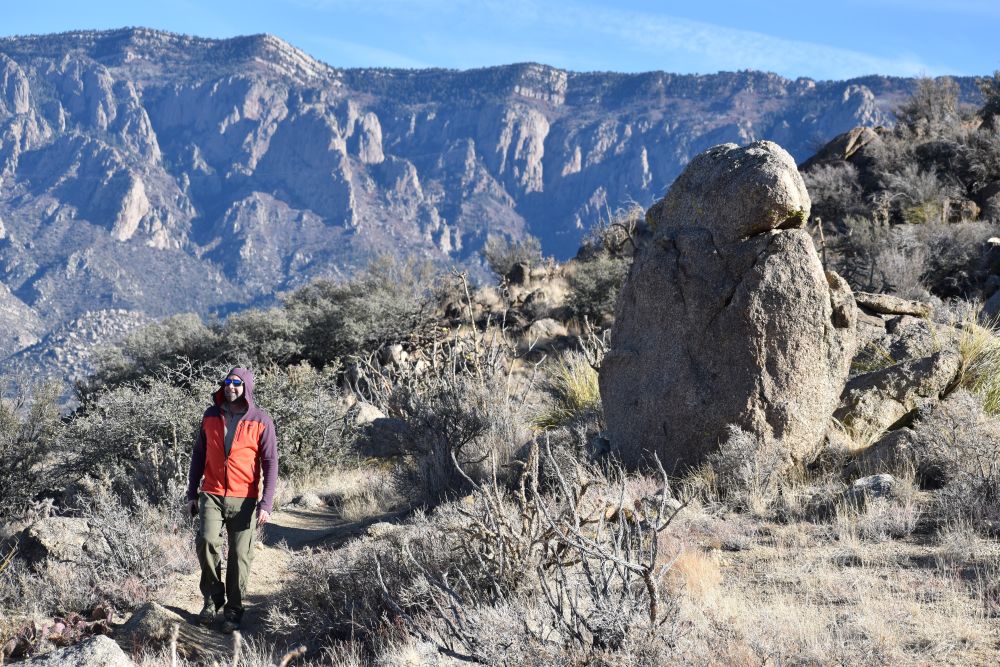
Testing the new KEEN Roam trail running shoe outside Albuquerque, New Mexico
KEEN Roam Review
My review of the new KEEN Roam is based on approximately 75 miles of testing. My test hikes included easy warm up hikes followed by moderate trails outside Albuquerque, including the 3 Gun Springs, Embudito, La Luz, Piedra Lisa, Pino, and Osso Ridge trails. I then backpacked 24 miles in the KEEN Roam in the Gila Wilderness, including a tough 18-mile day with 4000 feet of ups and downs and 50 water crossings.
As always, this is an independent review (not a sponsored post). The following testing notes are based on my personal hiking experience and my professional experience as a Backcountry Gearhead and footwear manager at Appalachian Outdoors.

Testing the KEEN Roam off the Piedra Lisa trail
SUPPORT
The KEEN Roam's foot support is on par with many hiking shoes, even though it's a trail running shoe. The shoe has a little flex at the balls of my feet—not a lot. This takes some pressure off the feet and ankles on trail. It also demonstrates decent torsional rigidity (resistance to side-to-side twisting), which adds some ankle support.
The Roam isn't as supportive as a burly KEEN hiking boot. But it's supportive enough for me to hike moderately difficult trails—in spite of food and ankle problems I've inherited. The Roam especially impressed when I backpacked 25 miles in it with more than a little weight on my back. Mt feet felt as fresh as they could after an 18-mile slog up and down 4,000 feet of mountains and 50 crossings of the Gila River.

Men' size 12 weighs 12.4 oz per shoe
WEIGHT
At 25 ounces per pair (men's size 12), the KEEN Roam is significantly lighter than the average hiking shoe and similar to most of the trail runners I recommend for hikers. If you like KEEN's fit but want something lightweight, I recommend the KEEN Roam over shoes in KEEN's Light Hike Collection.

KEEN's Quantum Foam midsole balances softness and responsiveness
COMFORT
Comfort has a lot to do with fit, your hiking style, and your personal preferences:
- The Roam features KEEN's "original fit"—which is relatively roomy with extra room in the forefoot and toes. It's a great fit for me but might feel too large for narrow-footed hikers.
- This shoe's build favors the average hiker, comfort-wise. There's good cushioning with moderate support and average weight by trail runner standards. It may not feel light or athletic enough for speed hikers or tricked out enough for badass hikers who prefer tougher trails.
- If you prefer moderate cushion and moderate support, you'll probably find the KEEN Roam comfortable. It's too much shoe for minimalists and not cushy enough for max cushion fans.
Personally, I've really enjoyed this shoe's fit and feel for moderate hikes on mixed terrain and for trail-to-town use. On more than one occasion, I've found myself still wearing these after supper, hours after I've normally kicked off my shoes for the day.

Test hike on Osso Ridge outside Albuquerque
FIT
If you can't try on the KEEN Roam in person, you should plan on it fitting true to size (length-wise) with extra room in the forefoot and toes. With KEEN's Original Fit, the Roam favors hikers with wider feet or those with standard feet who prefer a wider toe box. I often need to buy wide sizes. But this shoe fit well by sizing up a 1/2 size from my everyday shoe size.

Non-waterproof trail runners work well in the desert Southwest
WEATHER PROTECTION
Not surprisingly, the KEEN Roam is NOT available in a waterproof model. Most people prefer non-waterproof trail running shoes because they generally keep your feet cooler and dry quicker when they do get wet. So, plan on wet toes if you're hiking through wet grass or crossing small streams.
Living and hiking in semi-arid New Mexico, I've apprecatiated how the Roam's porous mesh keeps my hiking feet well-ventilated in the desert and dry mountain air. While backpacking the Gila Wilderness, my pair of KEEN Roams drained water well. They got reasonably dry a few miles after crossing the West Fork of the Gila River several times.
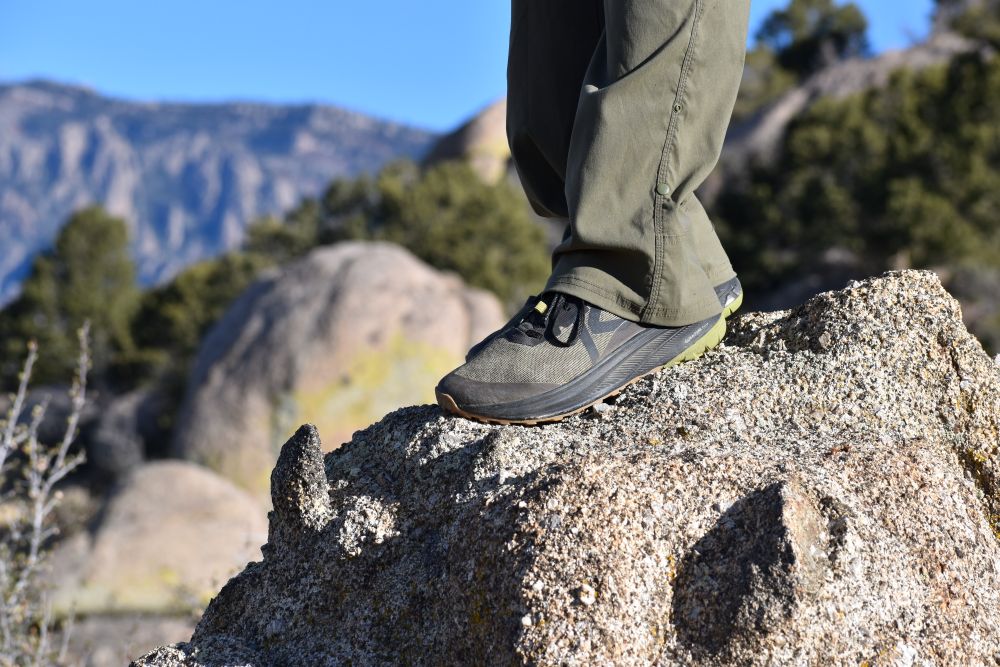
Shallow lugs work fine on rough rock, roads, and dirt trails
TRACTION
The Roam has moderate hiking traction for mixed terrain. Its relatively shallow lugs are made for a combination of road and trail running, not for mud, snow, or steep, technical trails. On my test hikes, I was fine on well-maintained trails, dirt, and forest service roads. The wet traction was solid during my water crossings along the Gila River. The Roam also handled solid rock relatively well. However, I sometimes slipped around on steep switchbacks with sand, scree, and weathered granited gravel. On a short, off-trail hike, I came close to face planting when I slipped on a steep descent in my Roams.
Once again, this shoe is best suited for the average hiker or casual user more than serious trail runners or hikers.

Hiking in the Sandia Mountains in the new KEEN Roam
VALUE
Five years ago, trail running shoes typically cost $50 less than true hiking shoes. With more hikers now choosing trail runners, their price has skyrocketed (and gone up even more in the United States with Trump's stupid trade war and tariffs). The KEEN Roam costs $165 (MSRP). That's slightly more expensive than most of the trail runners I've reviewed and recommended.
At the same time, KEEN claims this shoe's outsoles will last 900 miles, which would be triple (!) the typical trail runner. I haven't worn mine long enough to test that claim. But if that's true, this shoe would be a fantastic buy, especially if you hike a ton of miles or plan on thru-hiking in it.
Click on the buttons below to see current prices and available colorways:
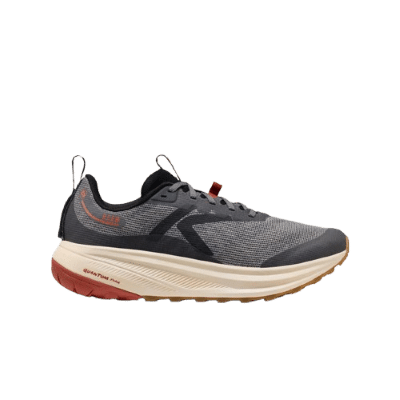
Men's KEEN Roam
Check current price, styles, and colors:

Women's KEEN Roam
Check current price, styles, and colors:
PROS & CONS of the KEEN Roam
Based on my personal experience testing this shoe in 2025-2026, here are the pros and cons of the KEEN Roam for hikers:
Should you buy the KEEN Roam for hiking?
If you're an average day hiker looking for a versatile trail runner with a roomy fit, the KEEN Roam could be an excellent option for you. It has plenty of cushioning, support, and traction for well-maintained trails. I also like it as a trail to town shoe. Its tread works for streets, sidewalks, and trails, and its roomy fit and ventilated mesh wear keep feet comfy in civilization.
If you have narrower feet or tackle more specialized trails, you might be better off with other trail running shoes I recommend for hiking. If you'd rather buy a true hiking shoe, please see these top picks or browse my hiking shoe reviews.
Conclusion
When I lived in Ohio and Michigan, I enjoyed hiking in KEEN trail running shoes, but they disappeared about 15 years ago. I'm glad to see KEEN bringing back some trail running shoes in 2025.
For me, the Roam is the perfect trail to town shoe—one that I wear as I work from home and take quick writing breaks with short walks and runs in Bear Canyon Arroyo behind my Albuquerque home. If it fits you, it's also a safe choice for the average day hiker and casual walker.
But the point is buying something that fits YOUR feet (not mine) and YOUR hiking style. If the KEEN Roam isn't your best fit or your best match, feel free to browse my other hiking shoe reviews and my recommendations for the best hiking shoes for men and women.
Thanks for checking out this independent review of the new Roam trail running shoe from KEEN. If you pick up a pair, please let me know what you think of it!
Men's KEEN Roam
Check current price, styles, and colors:
Women's KEEN Roam
Check current price, styles, and colors:
